
Climate and Geography: Why the Weather in Mount Vernon Influences My Writing
When people think of creative writing, they often focus on the internal world—the characters, the plot twists, and the dialogue. But as a narrative technician who prefers to hard-code the rules of a universe before writing Chapter One, I know that environment variables are just as critical. The physical landscape where a writer sits directly shapes the atmosphere that bleeds onto the page. For the past several years, my writing desk has been anchored here in Mount Vernon, Skagit County, Washington. This specific corner of the Pacific Northwest (PNW) has a distinct geographical personality, and its unique weather patterns have served as a powerful engine for my creative output. Here is how the climate and geography of Mount Vernon influence the atmospheric density of my fictional realms.
A. THE "ADD-ONS"
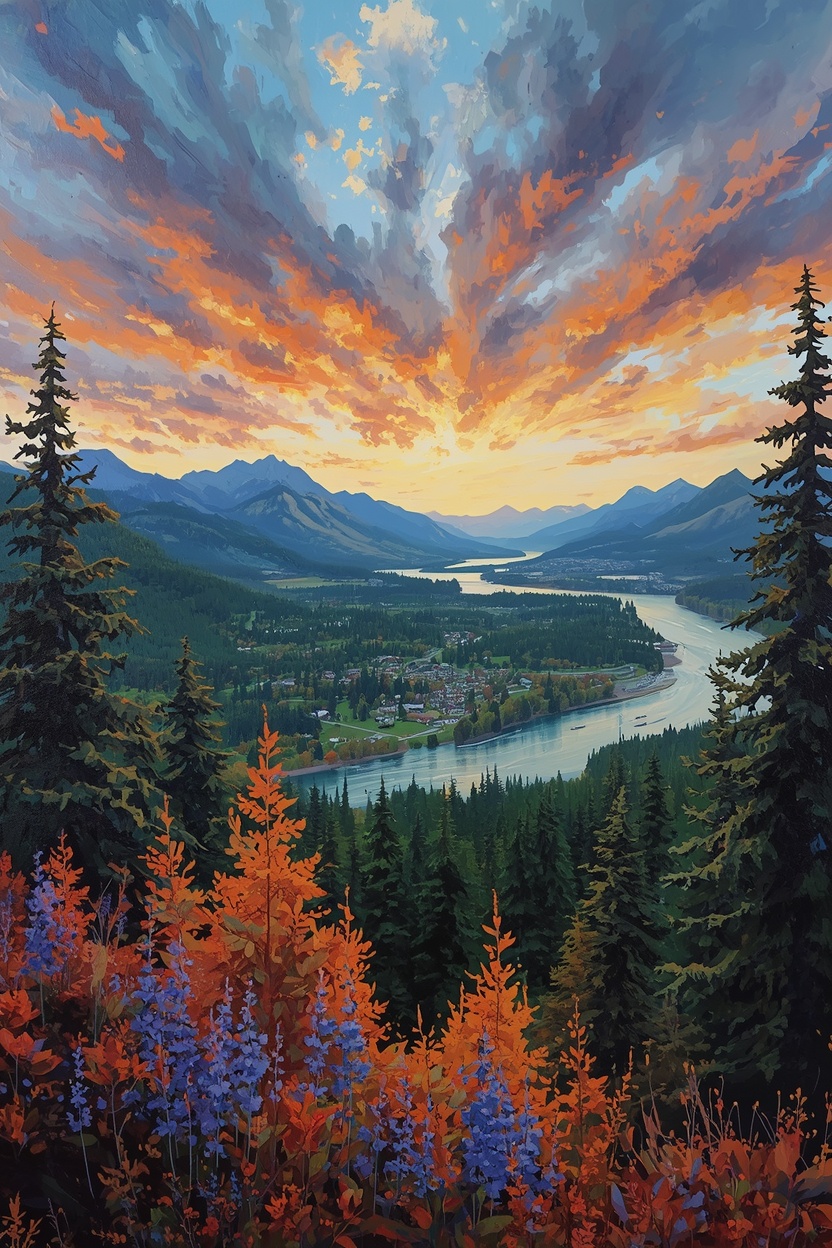
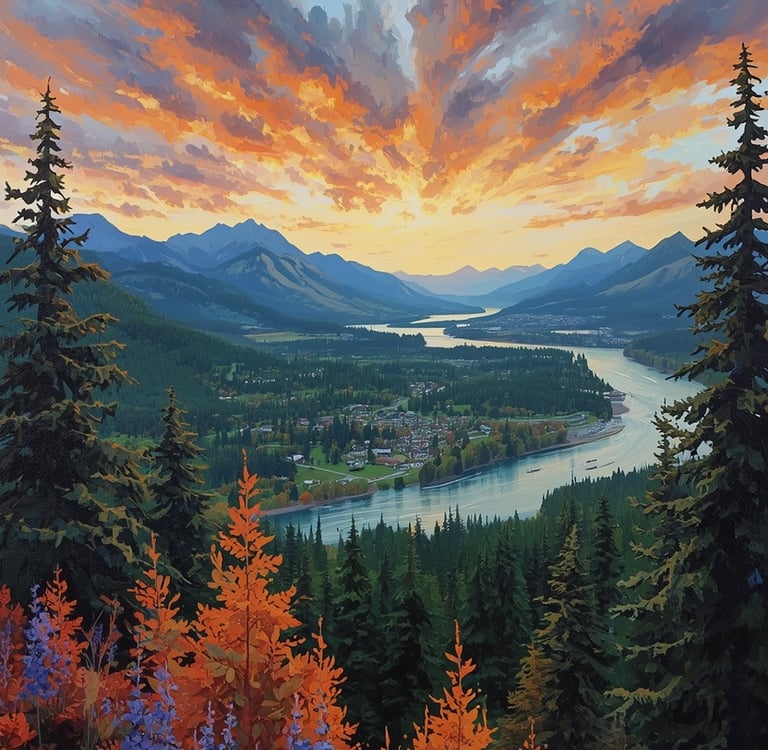
Climate and Geography: Why the Weather in Mount Vernon Influences My Writing
When people think of creative writing, they often focus on the internal world—the characters, the plot twists, and the dialogue. But as a narrative technician who prefers to hard-code the rules of a universe before writing Chapter One, I know that environment variables are just as critical. The physical landscape where a writer sits directly shapes the atmosphere that bleeds onto the page.
For the past several years, my writing desk has been anchored here in Mount Vernon, Skagit County, Washington. This specific corner of the Pacific Northwest (PNW) has a distinct geographical personality, and its unique weather patterns have served as a powerful engine for my creative output.
Here is how the climate and geography of Mount Vernon influence the atmospheric density of my fictional realms.
1. The Fog Baseline: Crafting Paranormal Tension
If you look at the installments I draft—such as the heavy, 40,000-word episodes set in the coastal, gaslit world of Mallow-by-the-Sea—atmosphere is a central character. To make a paranormal haunting or a slow-burn romance feel earned, you need a setting that mirrors that internal mystery.
Mount Vernon provides that baseline naturally:
The Skagit Mist: Living in the valley means experiencing days where a low, dense mist rolls off the water and blankets the farmland and hills.
The Visual Shield: This environment naturally limits visibility, forcing the eye to focus on close-up textures rather than the sweeping horizon.
When I sit down to describe the way sea mist rolls off the Dorset coast in my Edwardian-era fiction, I don't have to look far for inspiration. I can simply glance out my studio window at the damp PNW gray. The real-world climate acts as a living reference library for building suspense, making the transition to a logic-defying supernatural event feel entirely believable to the reader.
2. The Microclimate Shift: The Convergence of Land and Water
Mount Vernon sits in a highly dynamic geographical pocket—positioned between the flat, rich agricultural plains of the Skagit Valley, the sweeping waters of Puget Sound, and the rugged, forested foothills of the Cascade Range.
[ THE SKAGIT WEATHER CATALYST ]
+-------------------------------------------------+
| THE PUGET SOUND (Maritime Air & Salt Salt) |
+-------------------------------------------------+
|
v <- Creates dramatic, shifting fronts
+-------------------------------------------------+
| THE CASCADE FOOTHILLS (Trap & Cool Air) |
+-------------------------------------------------+
This intersection creates dramatic, shifting microclimates. One hour it's bright and clear; the next, a sudden storm front pushes through, darkening the sky and transforming the landscape.
This geographical volatility is incredibly useful when mapping out the narrative topography of a book. In The Southern Lands, the terrain is harsh, and the weather is directly linked to the ancient, cryptic threads of the Prophecy of Xannu. Experiencing the sudden, powerful transitions of Northwest weather reminds me to treat the climate in my fantasy realms as an active participant in the plot, rather than just passive background decoration.
3. The Rainy Rhythms: Driving the Production Engine
Managing a deep library of multi-book series and standalone projects requires immense focus and structured organization. The weather patterns of the Pacific Northwest play a direct role in maintaining that production efficiency:
The Creative Buffer: The legendary PNW rainy season provides the ultimate "indoor lockdown" environment. When the gray winter drizzle sets in for days at a time, the external distractions evaporate.
System Consistency: It creates a cozy, enclosed studio environment that is perfect for deep-diving into a detailed Series Bible or running a rigorous diagnostic scan on a broken scene.
The rhythmic patter of rain on the roof acts like a metronome for my word-count density targets. It invites a quiet, reflective headspace that allows an ensemble of characters to breathe and grow at an authentic pace.
4. A Changing Canvas: Looking Toward New Horizons
Geography is never static, and neither is a writer’s workspace. While Mount Vernon has provided a beautiful, moody backdrop for my writing workshop for years, my spouse Debbie and I are currently organizing a final cross-country house move to New Hampshire in June 2027.
Transitioning from the maritime rain and river valley geography of Washington to the deep woods, historic stone walls, and distinct four seasons of New England will inevitably introduce new environment variables to my writing. But as I prepare for that next move, I am incredibly grateful for the damp, atmospheric, and beautifully gray years spent here in the Skagit Valley. Mount Vernon didn't just host my writing studio; it hard-coded its own atmospheric magic directly into the fabric of my stories.
How does the climate of the place where you live affect your focus, your mood, or your creative projects? Do you find yourself inspired by bright, open sunshine, or do you do your best thinking when the gray weather closes in around you?