
Pub Culture: Comparing the Historic King Charles in Poole to PNW Breweries
There is a fundamental difference between going out for a drink and participating in a culture. For someone who spent their youth wandering the cobblestones of Poole Quay and now calls Skagit County home, the evolution of the "watering hole" is a fascinating study in social architecture. It’s a contrast best understood by looking at two entirely different styles of community hubs: a centuries-old Dorset pub like the historic King Charles on Thames Street, and the booming craft breweries of the Pacific Northwest (PNW). On the surface, they serve the same purpose—beer and conversation. But under the hood, the mechanics of how they bring people together belong to two completely different worlds.
C. NOSTALGIA
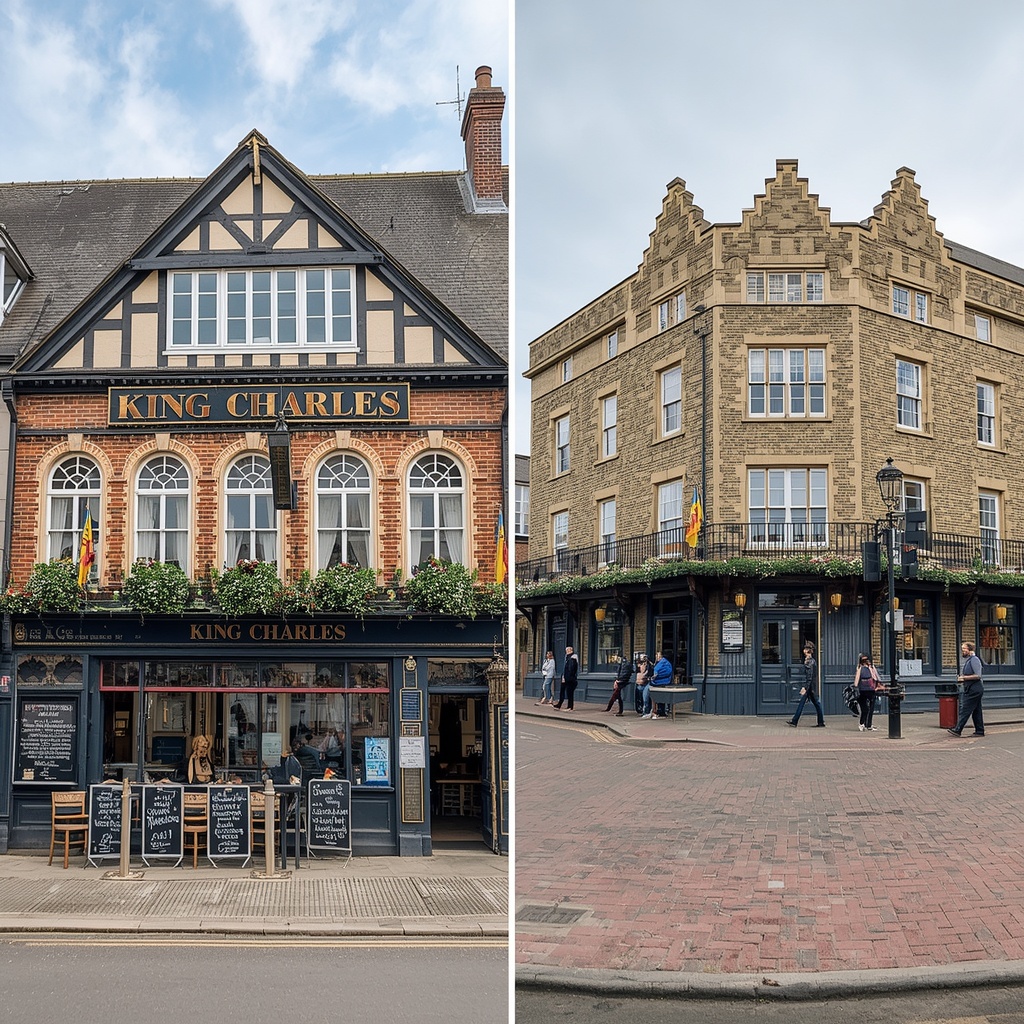
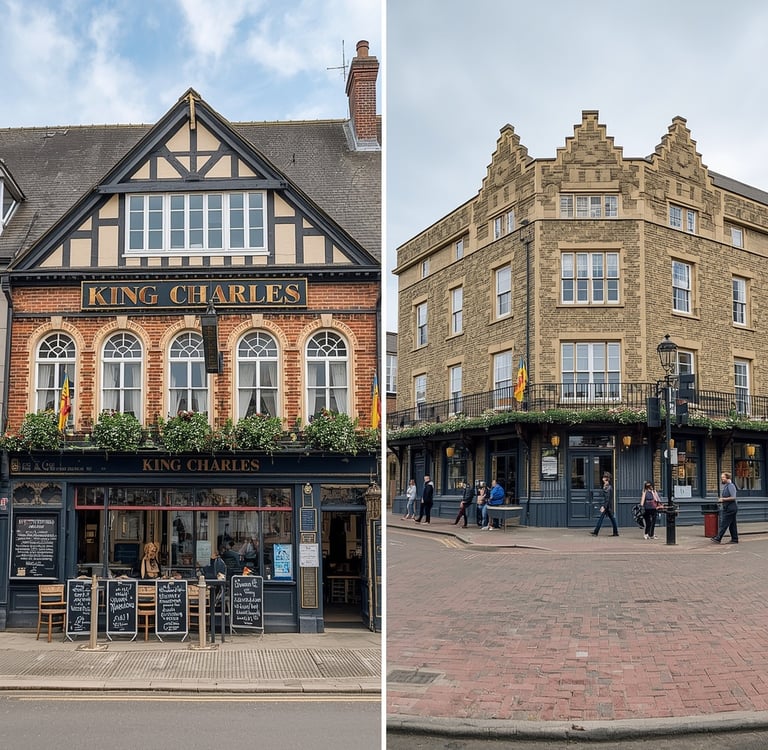
Pub Culture: Comparing the Historic King Charles in Poole to PNW Breweries
There is a fundamental difference between going out for a drink and participating in a culture. For someone who spent their youth wandering the cobblestones of Poole Quay and now calls Skagit County home, the evolution of the "watering hole" is a fascinating study in social architecture.
It’s a contrast best understood by looking at two entirely different styles of community hubs: a centuries-old Dorset pub like the historic King Charles on Thames Street, and the booming craft breweries of the Pacific Northwest (PNW).
On the surface, they serve the same purpose—beer and conversation. But under the hood, the mechanics of how they bring people together belong to two completely different worlds.
The King Charles: History, Low Ceilings, and the Living Room of the Past
Tucked just off Poole Quay, the King Charles is a masterclass in historical density. Built with timber salvaged from old sailing ships, it features flagstone floors, ancient oak beams, and ceilings so low that anyone over six feet tall walks with a permanent duck.
THE KING CHARLES (UK) PNW CRAFT BREWERY (USA)
+---------------------------------+ +---------------------------------+
| [Low Ceilings & Oak Beams] | | [High Exposed Trusses & Iron] |
| - Snugs & Partitioned Booths | | - Wide Open Communal Seating |
| - Shadows, Brass, & Carpet | | - Roll-Up Garage Doors & Light |
| - The "Regular's" Fixed Bench | | - Food Trucks & Dog Patches |
+---------------------------------+ +---------------------------------+
The Architecture of Intimacy: The King Charles wasn't designed for a crowd; it was designed for privacy within publicity. It features "snugs" and partitioned rooms where conversations stay contained. It’s dark, smoky (historically speaking), and smells of centuries of spilled ale, beeswax, and damp wool.
The Continuity of Community: In an old Dorset pub, you don’t just buy a pint; you step into a lineage. The person sitting on the corner bench has likely been sitting on that exact bench since Decimalization Day. The pub acts as a town archive, where the walls are decorated with vintage photographs of the Quay, maritime charts, and old pottery.
The Beverage Dynamic: Historically, it’s about consistency. You order your standard bitter, your Guinness, or a local Badger beer. The drink is the baseline; the gossip is the main event.
The PNW Brewery: Air, Iron, and the Industrial Cathedral
Hop across the Atlantic, travel past the Cascade Mountains, and pull up a stool in a converted warehouse or refurbished barn in the Pacific Northwest. The vibe shifts completely.
The Architecture of Scale: Where the King Charles encloses you, a PNW brewery opens you up. These spaces are characterized by soaring ceilings, exposed iron trusses, massive concrete floors, and giant glass roll-up garage doors that blur the line between indoor seating and the rainy green landscape outside.
The Communal Table: Instead of partitioned booths, the PNW brewery relies heavily on long, shared wooden picnic tables. It’s an environment that forces interaction. It’s bright, loud, and inherently family-friendly—often packed with kids playing board games and dogs resting on the concrete.
The Product as the Plot: In the Northwest, the beer isn't the background—it’s the protagonist. The tap list changes weekly, featuring high-alpha IPAs, experimental sours, and locally grown Skagit valley barley. People congregate to discuss the brewing process, treating the establishment less like a hidden tavern and more like a brightly lit laboratory of flavor.
The Cultural Exchange
Attribute
The King Charles (Poole)
PNW Craft Brewery (Skagit/Seattle)
Primary Aesthetic
Maritime history, dark wood, enclosed comfort.
Industrial chic, agricultural roots, wide-open spaces.
Seating Logic
Small, defensive booths and tucked-away corners.
Massive communal tables and open-air patios.
Vibe Focus
Preservation of local lore and quiet routine.
Innovation of product and active, family-centric social hub.
The Final Pint
The historic King Charles handles community through anchoring. It reminds you exactly where you came from, grounding you in the unchanging, weathered history of a Dorset port town.
The PNW brewery handles community through gathering. It creates a bustling, modern civic square out of thin air, celebrating regional agriculture, outdoor lifestyles, and the collective love of a highly technical craft.
Both are vital to a writer’s soul. One provides the atmospheric shadow and period-accurate depth needed for a gaslit historical mystery, while the other offers the high-energy, open-forum brainstorming space perfect for mapping out a new universe.