
The Edwardian Wardrobe: What My Witches Actually Wear
When writing historical paranormal fiction, wardrobe is far more than decorative backdrop—it is social architecture. In the Wormwood House series, set in the damp, sea-mist-laden coastal hub of Mallow-by-the-Sea in 1908, clothing serves as the primary interface between the rigid societal expectations of Edwardian England and the hidden, practical demands of practical witchcraft. An Edwardian woman’s daily attire was a marvel of structural engineering, heavy fabrics, and layered restrictions. For a coven of seven witches operating under a strict social code, every seam, button, and hemline must serve a dual purpose. Here is a look at the historical realities, practical modifications, and aesthetic choices that define what the witches of Wormwood House actually wear.
A. THE "ADD-ONS"
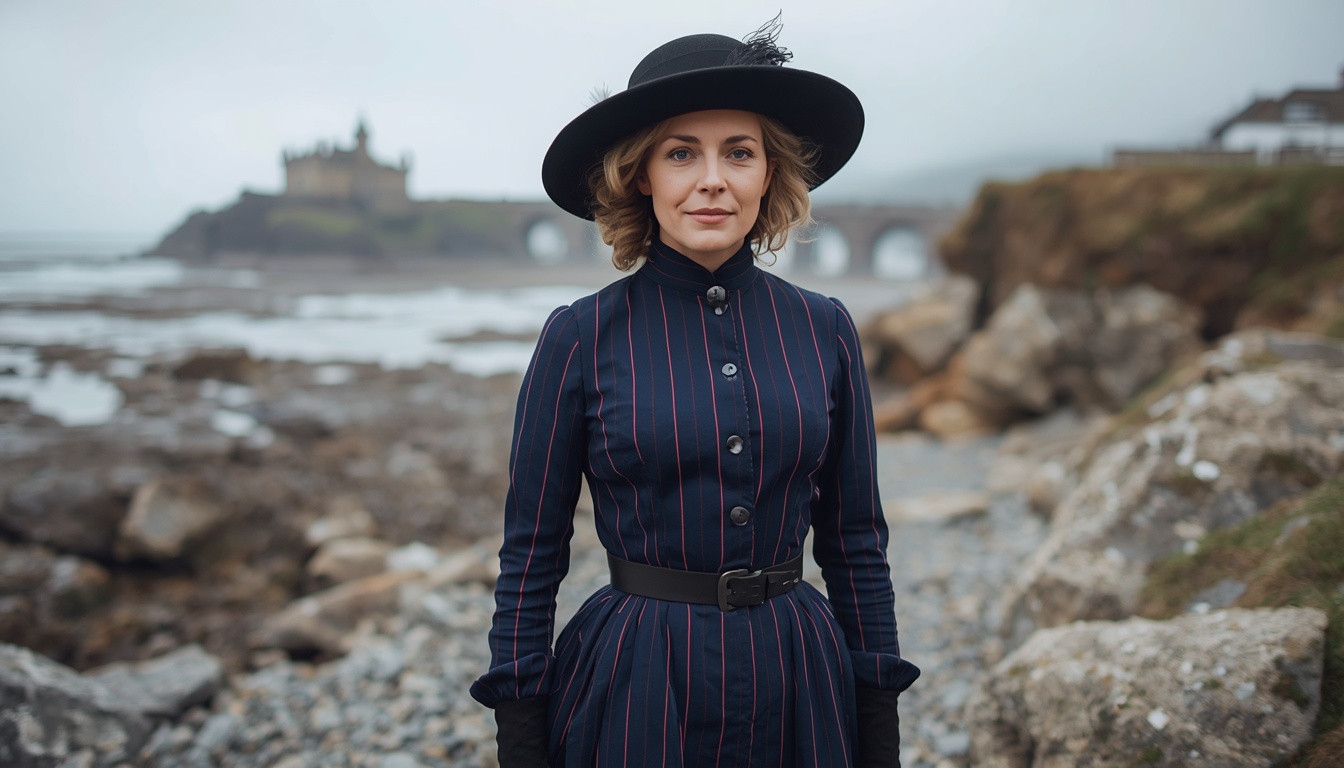
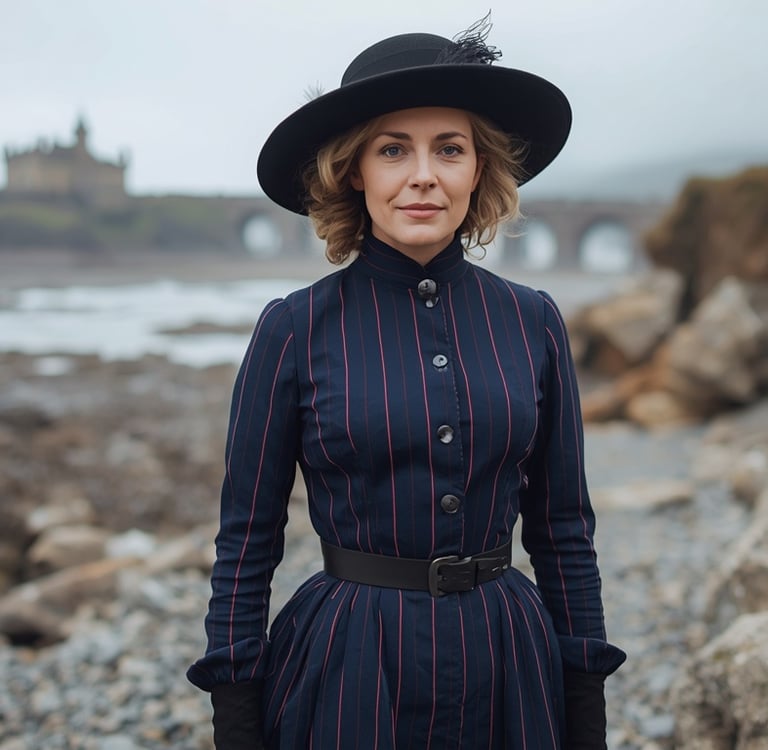
The Edwardian Wardrobe: What My Witches Actually Wear
When writing historical paranormal fiction, wardrobe is far more than decorative backdrop—it is social architecture. In the Wormwood House series, set in the damp, sea-mist-laden coastal hub of Mallow-by-the-Sea in 1908, clothing serves as the primary interface between the rigid societal expectations of Edwardian England and the hidden, practical demands of practical witchcraft.
An Edwardian woman’s daily attire was a marvel of structural engineering, heavy fabrics, and layered restrictions. For a coven of seven witches operating under a strict social code, every seam, button, and hemline must serve a dual purpose.
Here is a look at the historical realities, practical modifications, and aesthetic choices that define what the witches of Wormwood House actually wear.
1. The S-Bend Silhouette: Public Conformity
In 1908, high fashion dictated the famous S-Bend (or Health) Corset. Designed to force the chest forward and the hips back, it created a dramatic, pigeon-breasted posture that signaled refined standing and moral discipline.
The Social Reality: In public—whether attending afternoon tea in Mallow-by-the-Sea or making formal calls—the coven adheres strictly to high-collared lace blouses (guimpes), floor-length skirts, and rigid corsetry. To project anything less than immaculate Edwardian propriety would invite local gossip, and gossip leads to dangerous scrutiny.
The Arcane Adaptation: Corsets are not just oppressive; they are structural anchors. The coven utilizes the firm boning of their stays to conceal small, flattened wards, protective sigils etched on parchment, or thin silver instruments that would otherwise draw attention in a reticule.
2. Practical Modifications for the Workshop
The moment the heavy oak doors of Wormwood House close and the coven retires to their private workspace, the formal S-bend gives way to functional necessity.
[ THE EDWARDAN WORKSHOP LAYER SYSTEM ]
+-------------------------------------------------+
| LAYER 1: The Linen Chemise & Stays (Unlaced) |
| - Base protection against heat and potion spills|
+-------------------------------------------------+
|
v
+-------------------------------------------------+
| LAYER 2: The Walking Skirt (Heavy Wool/Tweed) |
| - Hemlines raised 2 inches for coastal mobility |
+-------------------------------------------------+
|
v
+-------------------------------------------------+
| LAYER 3: The Artisan Apron / Smock |
| - Deep pockets for herbs, chalk, & iron nails |
+-------------------------------------------------+
The Raised Hemline: Standard 1908 evening wear dragged along the floor, requiring a lady to constantly lift her train. When conducting rituals along the muddy cliffs of the Dorset coast or navigating the salt-stained cellars of the estate, our witches favor "walking skirts" tailored two inches shorter than current fashion demands—a scandal in polite society, but essential for field work.
Heavy Natural Fibers: Magic in the Wormwood House universe involves chemical reactions, hot copper kettles, and open flame. Silk and synthetic dyes are far too delicate (and flammable). The witches wear heavy wools, dense linens, and dark-dyed cottons that resist ash, sea spray, and volatile potion spatters.
3. Pockets, Pins, and Hidden Hardware
One of the greatest tragedies of early 20th-century women's fashion was the gradual elimination of deep, functional pockets in favor of tiny, decorative beaded reticules. For a practicing witch, this was a logistical nightmare.
The Chatelaine System: To bypass the pocket limitation, the coven relies heavily on the Chatelaine—a decorative belt hook or apron clasp that suspends small, vital tools from silver chains. Hanging beneath their skirts or smocks, you'll find tiny scissors, metal needle cases packed with iron pins, small vials of salt, and magnifying lenses.
Hatpins as Defensive Tools: In 1908, massive picture hats held in place by 10-inch steel hatpins were standard wear. In the hands of a coven member, a heavy steel hatpin isn't just a millinery accessory; it is a cold-iron charm, a precise conduit for directing energy, and a very effective weapon of self-defense.
4. Color Logic and Character Signatures
While Edwardian mourning codes dictated strict black and pastel chiffons dominated summer garden parties, the coven’s wardrobe relies on a deliberate palette tied to their internal roles.
Muted Earth Tones: Charcoal, deep navy, forest green, and rust dominate their daily working skirts, allowing them to blend seamlessly into the coastal Dorset landscape during night operations.
The Punctuation Mark: Much like my character Ryann in my other works is defined by her defiant yellow attire, specific members of the coven use subtle visual markers—a uniquely dyed silk scarf, a brass-pinned velvet collar, or an heirloom signet ring—to ground their identity within the group.
Grounding the Supernatural in Fabric
When a witch must unbutton two dozen tiny pearl shirtwaist buttons before she can tend to an alchemy burn, or when the heavy wool of her rain-soaked walking skirt threatens to weigh her down during a midnight escape along the cliffs, the magic feels real.
By treating the Edwardian wardrobe as a living, physical system of constraints, the stakes remain tied to real-world friction. The lace may be delicate, but the women wearing it are engineered for survival.
When reading historical fiction, do you enjoy a deep dive into the practical, day-to-day details of period clothing, or do you prefer the wardrobe to stay in the background so the action can move faster?