
The Logic-Defying Plot: How to Make the Impossible Feel Believable
Every fiction writer eventually asks their readers to take a massive leap of faith. Whether you are introducing a coven of seven witches operating out of an Edwardian estate or weaving the sprawling, prophetic destiny of an ancient epic, you are fundamentally dealing in the impossible. But there is a distinct difference between a plot that is magical and a plot that is illogical. When a story falls apart, it’s rarely because the premise is too wild; it’s because the internal mechanics of the world broke. As a narrative technician who prefers to hard-code the rules of a universe before writing Chapter One, I treat believability as a structural engineering problem. Here is my diagnostic blueprint for making the logic-defying elements of your plot feel entirely inevitable to the reader.
B. WRITING TIPS
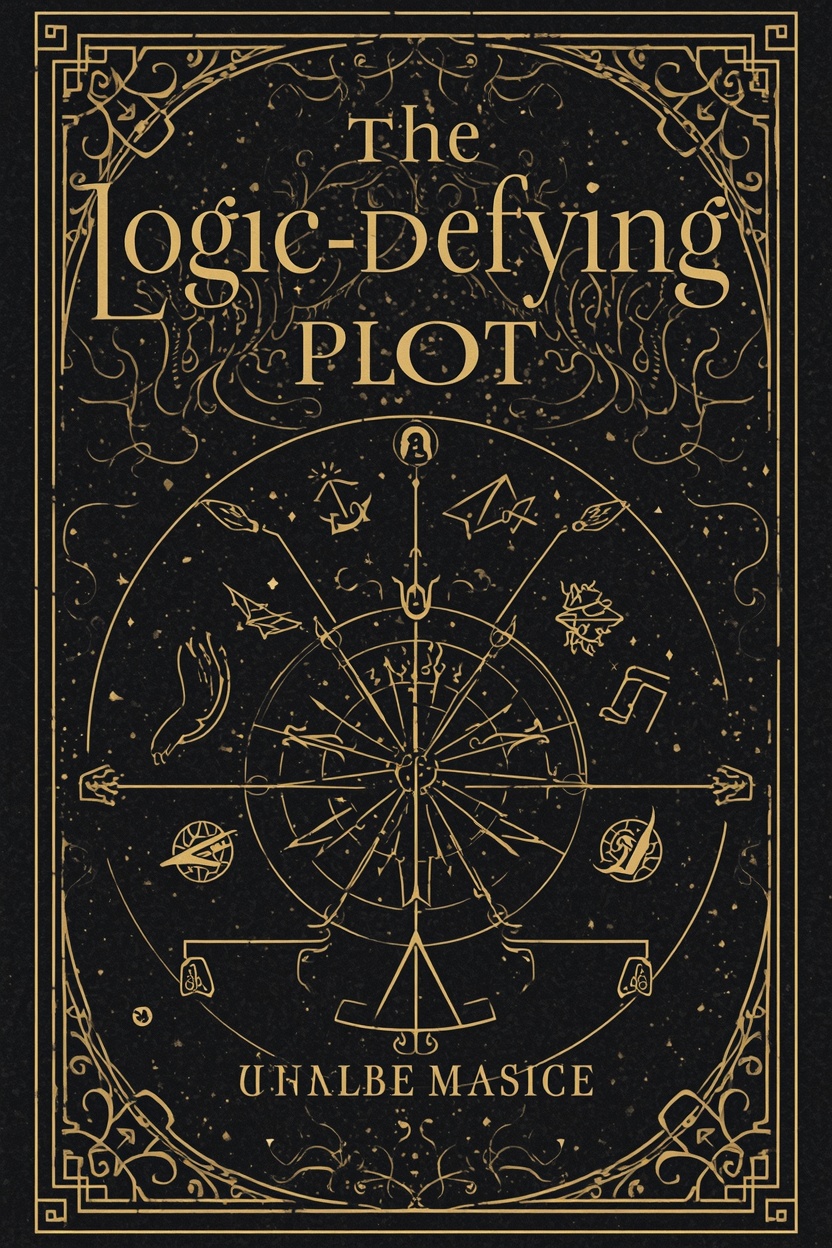
The Logic-Defying Plot: How to Make the Impossible Feel Believable
Every fiction writer eventually asks their readers to take a massive leap of faith. Whether you are introducing a coven of seven witches operating out of an Edwardian estate or weaving the sprawling, prophetic destiny of an ancient epic, you are fundamentally dealing in the impossible.
But there is a distinct difference between a plot that is magical and a plot that is illogical.
When a story falls apart, it’s rarely because the premise is too wild; it’s because the internal mechanics of the world broke. As a narrative technician who prefers to hard-code the rules of a universe before writing Chapter One, I treat believability as a structural engineering problem.
Here is my diagnostic blueprint for making the logic-defying elements of your plot feel entirely inevitable to the reader.
1. The "Sandbox" Rule: Establish Your Code Early
The human brain is incredibly adaptive. Readers will happily accept a world where steam carriages run on refined aether or ghosts possess strict, rule-bound limitations—provided you explain those rules up front.
The Technical Baseline: Think of your world-building as an operating system. In the opening chapters, you must define the environment variables. If magic has a strict physical cost, or if a prophecy requires precise, character-driven choices to compile correctly, show those constraints immediately.
The Trap of the Deus Ex Machina: If your protagonist suddenly develops a brand-new ability in the final act to escape a corner, you’ve violated the system logic. The resolution of an impossible plot must be achieved using the tools you placed on the workbench in act one.
2. Ground the Arcane in the Mundane
If everything in your scene is extraordinary, then nothing is. To make a logic-defying plot twist land with emotional weight, it must be surrounded by concrete, highly relatable textures.
The Technician's Trick: Surround your high-concept magic with hyper-realistic details.
If a character is experiencing a reality-bending haunting, don't just describe the spectral entity. Describe the specific, damp smell of the sea mist rolling off the coast, the precise clatter of old copper coins on a shop counter, or the intricate, rigid social etiquette of an afternoon tea service. When the physical setting feels 100% authentic, the reader's brain automatically extends that authenticity to the supernatural elements sharing the space.
3. Use the "Rubber Duck" Method for Plot Logic
When you are drafting a heavy-duty, 40,000-word episode, the sheer density of the plot can occasionally cause a narrative system crash. You hit a wall where the plot requires something impossible to happen, but you can't figure out how to bridge the gap logically.
This is where I strip the scene down to its bare components and use an AI sounding board to debug the logic errors.
Don't ask an external tool to write the prose for you.
Instead, treat it as a technical critique: "If Character A is bound by a strict vow of honesty, how can they intentionally mislead the antagonist without technically telling a lie?"
Challenging your plot's logic through a rigorous, line-by-line diagnostic scan ensures that when the "impossible" twist occurs, it passes the ultimate stress test.
[ THE DEBUGGING PIPELINE FOR PLOT TWISTS ]
+-------------------------------------------------+
| 1. CORE TWIST: The logic-defying event occurs. |
+-------------------------------------------------+
|
v
+-------------------------------------------------+
| 2. LOGIC AUDIT: Does this violate established |
| world-building or character constraints? |
+-------------------------------------------------+
|
v
+-------------------------------------------------+
| 3. COMPILING THE RESOLUTION: Rebuild the scene |
| using only verified structural components. |
+-------------------------------------------------+
4. Character Skepticism as a Reader Shield
If a logic-defying event happens and your characters accept it without blinking, the narrative illusion shatters. Your characters should mirror the reader's natural skepticism.
If an ancient scroll reveals an ambiguous, reality-altering prophecy, have your characters question it. Let them argue over the interpretation, doubt their own fitness for the task, or look for a rational, technical explanation first. When a character actively tries to debunk the impossible, it acts as a shield against the reader's cynicism. If the smartest character in the room is convinced, the reader will be too.
The Final Compile
Making the impossible believable isn't about casting a spell over your audience; it's about treating your narrative like a beautifully calibrated piece of clockwork. Every gear must connect to another gear. When your world-building is consistent, your characters operate with clear agency, and your constraints are strictly maintained, the final, mind-bending resolution won't feel like a cheat.
It will feel like the only logical conclusion possible.