
The Pioneers of Wonder
The 1960s was the golden age of BBC television, transforming the medium from a novelty into a launchpad for the imagination. For anyone growing up with the glowing screen during this era, the Corporation wasn’t just broadcasting shows—it was building entire worlds out of black-and-white static, rudimentary special effects, and unmatched storytelling audacity. Here is how the distinct magic of 1960s BBC television left a permanent imprint on the creative mind.
C. NOSTALGIA
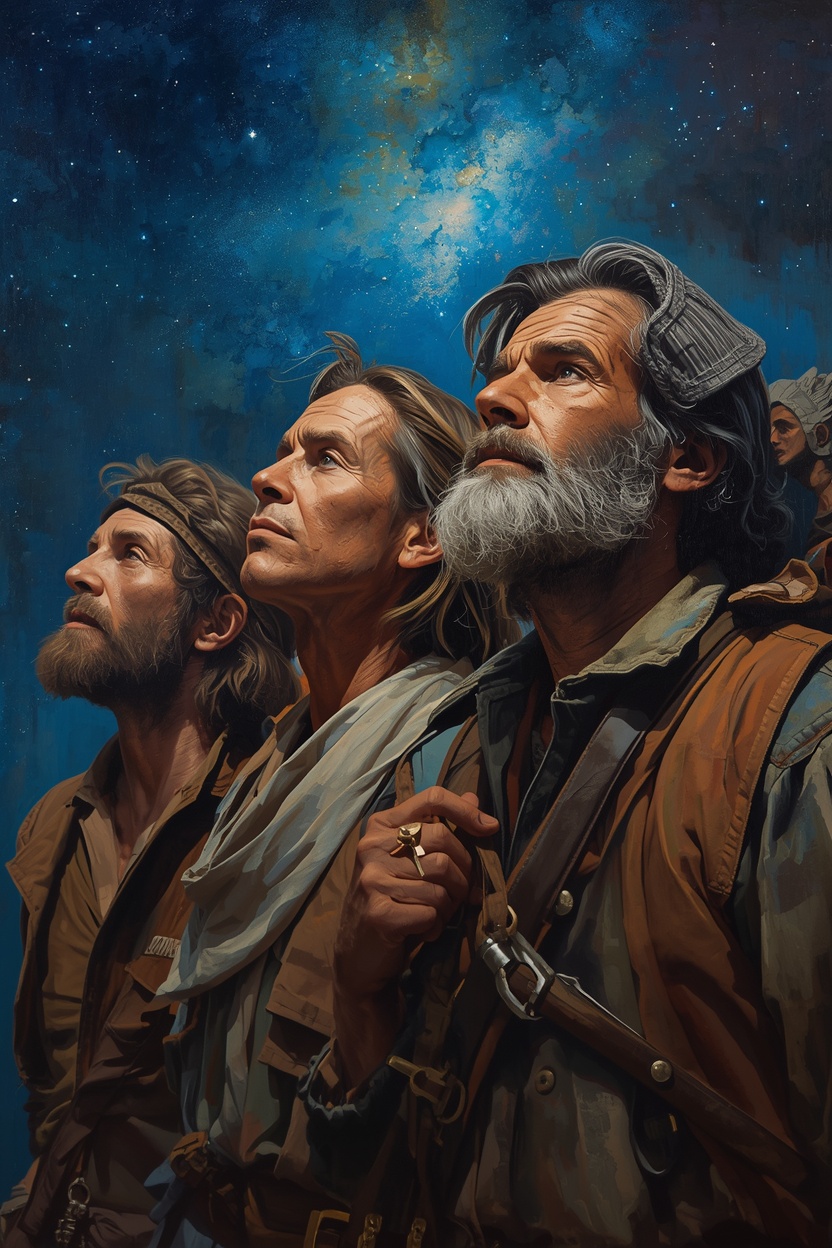
The 1960s was the golden age of BBC television, transforming the medium from a novelty into a launchpad for the imagination. For anyone growing up with the glowing screen during this era, the Corporation wasn’t just broadcasting shows—it was building entire worlds out of black-and-white static, rudimentary special effects, and unmatched storytelling audacity.
Here is how the distinct magic of 1960s BBC television left a permanent imprint on the creative mind.
The Pioneers of Wonder
1963 ────────────────── 1965 ────────────────── 1969
Doctor Who The Wednesday Play Monty Python
Launched a universe Pushing social boundaries Deconstructing comedy
from a junkyard with raw realism with surreal brilliance
The Blue Box and the Radiophonic Workshop
In November 1963, a strange grinding sound echoed out of British television sets for the first time. Doctor Who didn't just introduce a time-traveling alien; it proved that a BBC budget consisting of cardboard sets, bubble wrap, and fishing line could create an infinite universe if the writing was sharp enough.
Equally influential was the BBC Radiophonic Workshop. Delia Derbyshire’s electronic realization of the theme music—created by physically cutting, looping, and speeding up magnetic tape containing analog oscillators and single plucked strings—sounded like it was beamed from deep space. It taught a generation that atmosphere and imagination were far more powerful than expensive visual effects.
The Power of the Single Play
Before high-concept serials dominated the airwaves, the BBC treated television as a living, breathing theater. Anthologies like The Wednesday Play brought raw, uncompromising, and deeply imaginative social realism directly into the living room.
Directors like Ken Loach (Cathy Come Home) proved that television could disrupt the status quo, spark fierce national conversations, and treat the audience with immense intellectual respect. It showed young minds that stories weren't just escapes—they were mirrors and hammers.
The Rise of Surrealism
By the close of the decade in 1969, Monty Python’s Flying Circus blew up the very concept of how a television show was supposed to behave. By abandoning traditional punchlines, embracing stream-of-consciousness sketches, and blending them with Terry Gilliam's manic animations, the BBC gave a masterclass in creative anarchy. It taught an invaluable lesson to future storytellers: rules are meant to be broken, and logic is entirely optional.
"We didn't have money, so we had to think."
— A common mantra among 1960s BBC directors, who relied on shadow, sound design, and dense scripts to terrify and delight audiences.
The Blueprint for a Lifetime of Storytelling
Growing up under the influence of 1960s BBC broadcasts provided a unique creative education:
Atmosphere Over Assets: Seeing classic sci-fi and historical dramas succeed with minimal sets taught writers that if you ground your characters and nail the tension, the audience will gladly fill in the blanks with their own minds.
The Comfort of the Cozy/Strange: The BBC mastered the art of juxtaposition—taking the utterly ordinary (a British police box, a quiet seaside village, a mundane office) and revealing the bizarre, paranormal, or speculative layer hiding just beneath the surface.
Fear as a Creative Catalyst: The eerie, monochrome shadows of early thrillers and the clanking terror of the Daleks taught viewers that being a little bit frightened was the fastest way to ignite the imagination.
The magic of the 1960s BBC was its unique ability to take limited physical resources and stretch them into boundless creative horizons, turning everyday television sets into portals of pure wonder.